
I kicked off the year by reading Dare to Lead by Brenè Brown, which was recommended in a book discussion channel at work. This book offers great insight into leadership, from ensuring you are coming from, and in the right mindset to share feedback, to how you approach and Rumble with your team, helping to create a safe space for your team to feel comfortable and open to share honestly.
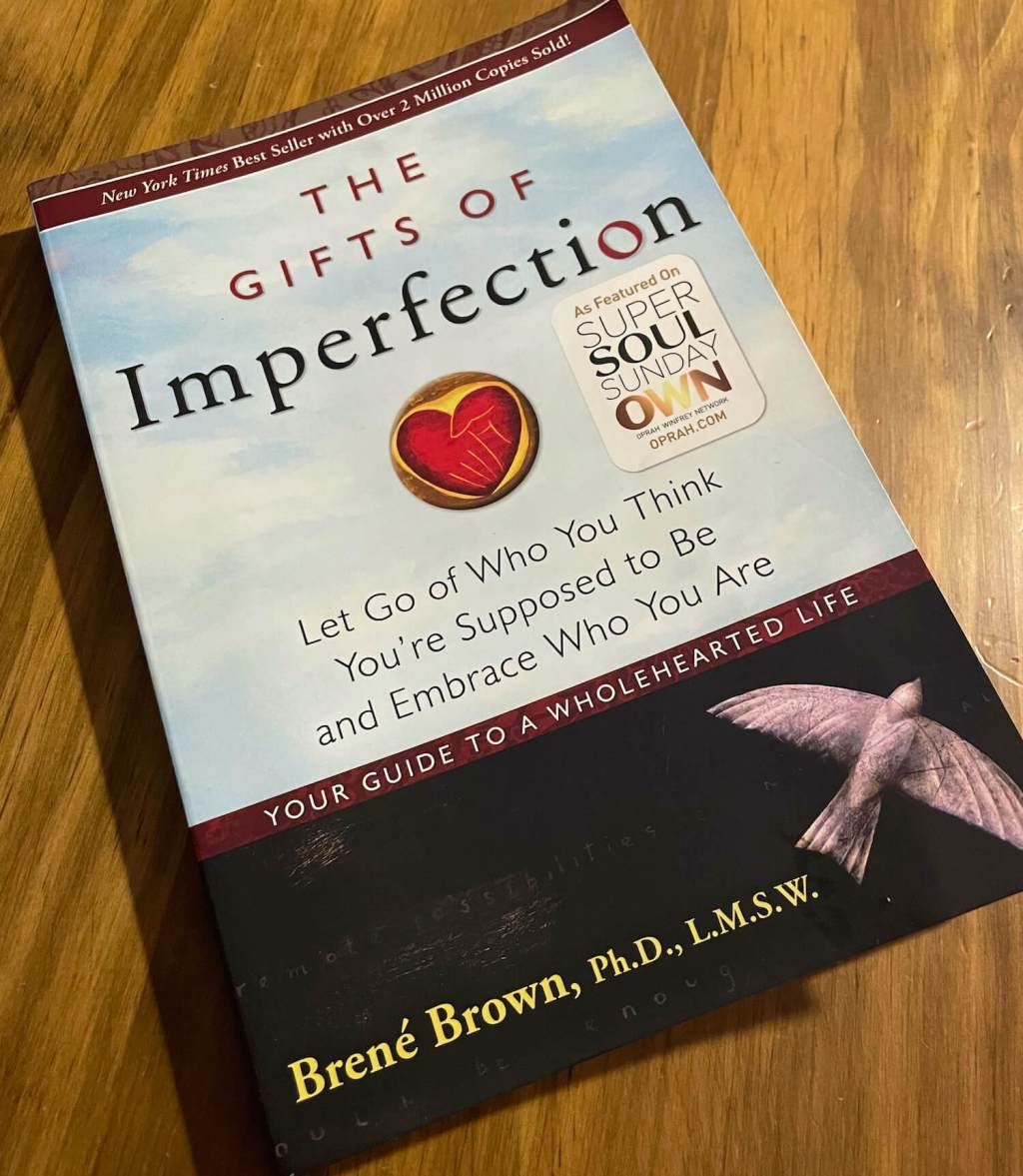
This is the third book by Brenè Brown that I have read, and it does refer back to her previous research shared in Daring Greatly and The Gifts of Imperfection, about vulnerability, shame and courage.
The courage to be vulnerable is not about winning or losing, it’s about the courage to show up when you can’t predict or control the outcome.
Brené Brown
Introduction + Part One, Section One: The Moment and the Myths
I previously read Daring Greatly, and read about the four myths of vulnerability, so I was curious to see how Brenès research has evolved, and she can now identify six myths which can relate to leadership.
- Myth #1: Vulnerability is weakness.
- Myth #2: I don’t do vulnerability.
- Myth #3: I can go it alone.
- Myth #4: You can engineer the uncertainty and discomfort out of vulnerability.
- Myth #5: Trust comes before vulnerability.
- Myth #6: Vulnerability is disclosure.
Working remotely, I feel that communication around the smallest of things, as well as, with paying attention, listening, and gestures of genuine care and connection, go a long way to building trust within a team and among colleagues. 100% inline with the Automattic creed: I will communicate as much as possible, because it’s the oxygen of a distributed company.
It is possible to give tough feedback and have difficult conversations without the need to tiptoe around the truth, when we work to create a safe environment where people trust and respect each other.
It’s important to open conversations, or as Brenè calls Rumbles, to talk honestly about struggles, possible anxiety, ask questions and have reality checks.
A good question for a lead to ask is What does support from me look like?, this can also help to hold team members accountable. For more clarity, another angle is Say more.
Set boundaries to make clear what is ok, what is not ok, and why.
Part One, Section Two: The Call to Courage
Rumbles and hard conversations can be painful and uncomfortable, but to listen, ask for time for a short break or to circle back in a few hours after thinking time, can be valuable and powerful to help identify the sources of an issue.
Clear is kind. Unclear is unkind.
Brenè Brown
We can identify the armor we use to self-protect when we go from “I’m not enough” to “I’m better than them,” but it’s important to leave these emotions behind and lead with core values, like courage and faith.
Leaders must either invest a reasonable amount of time attending to fears and feelings, or squander an unreasonable amount of time trying to manage ineffective and unproductive behavior.
Brené Brown
Part One, Section Three: The Armory
Live wholeheartedly, which opens opportunities for better decision-making and critical thinking, and the powerful experiences of empathy, self-compassion, and resilience.
We should not protect our egos and fit in, we are here to become more and more ourselves.
Part One, Section Four: Shame and Empathy
Shame is the intensely painful feeling or experience of believing that we are flawed and therefore unworthy of love, belonging, and connection.
Brené Brown
As leaders, we should develop and practice the art of giving people a way out with dignity.
I love how Brenè talks about giving people the correct environment and permission to feel safe to talk about shame, which is liberating and can shine light into dark corners.
As a lead, if you don’t know how to respond in the moment, that’s ok, just the connection is a good place to be in, and you can circle back to the issue, after sharing your appreciation on their honestly.
- Practicing empathy and building this as a skill is a huge gift.
- When we understand and are aware of shame, we are less likely to default to our shame shields.
Part One, Section Five: Curiosity and Grounded Confidence
Be curious and confident to ask questions, and get the conversation and rumble started. This is great for clarifying assumptions, getting an overview of different perspectives.
The more curious we are, the more we learn and the more we learn, the more curious we are.
Part Two: Living into Our Values
We put other voices in front of our own, these are not our beliefs and values, we need to understand what our own values are, our North Star that we live by. Brenè offers a full list of values, you can choose two core values to live by and turn these into your behavior.
We can align our values to ensure we are in a good place to share feedback.
- I know I’m ready to give feedback when I’m ready to sit next to you rather than across from you.
- I know I’m ready to give feedback when I’m willing to put the problem in front of us rather than between us (or sliding it toward you).
- I know I’m ready to give feedback when I’m ready to listen, ask questions, and accept that I may not fully understand the issue.
- I know I’m ready to give feedback when I’m ready to acknowledge what you do well instead of just picking apart your mistakes.
- I know I’m ready to give feedback when I recognize your strengths and how you can use them to address your challenges.
- I know I’m ready to give feedback when I can hold you accountable without shaming or blaming.
- I know I’m ready to give feedback when I’m open to owning my part.
- I know I’m ready to give feedback when I can genuinely thank someone for their efforts rather than just criticizing them for their failings.
- I know I’m ready to give feedback when I can talk about how resolving these challenges will lead to growth and opportunity.
- I know I’m ready to give feedback when I can model the vulnerability and openness that I expect to see from you.
We should also align with our values when receiving feedback.
Part Three: Braving Trust
Brenè worked to identify seven behaviors that make up the anatomy of trust, which she calls The BRAVING Inventory.
- Boundaries
- Reliability
- Accountability
- Vault
- Integrity
- Nonjudgement
- Generosity
Part Four: Learning to Rise
We need to learn to identify the truth of what is actually going on, instead of the story we are telling ourselves.
- The story I’m telling myself …
- The story I make up …
- I make up that …
When we have the courage to walk into our story and own it, we get to write the ending.
Brené Brown
Learn to breathe and be calm. Calm is a superpower and can heal anxiety.
In the absence of data, we will always make up stories.
Brenè Brown
Brenè refers to the learning to rise process as the Story Rumble. When rumbling, use all the courage-building tools and skills that you can. Especially shared language, curiosity, grounded confidence, your integrity, your values, and the trust you’re building.
Choose courage over comfort. Choose whole hearts over armor. And choose the great adventure of being brave and afraid.
Brené Brown

 Remote Rachel